
Outdoor nudity: taboo or normal?
Outdoor nudity—whether on a secluded beach, in a forest, at a designated naturist resort, or simply sunbathing in a private backyard—occupies a contested space in modern society. For some, it is a natural, liberating expression of the human body and a rejection of unnecessary shame. For others, it remains a profound social taboo, associated with indecency, sexuality, or disruption of public order. The truth lies somewhere in the middle: it is neither universally taboo nor universally normal. Its acceptance depends heavily on culture, context, intent, and law.
Historical and cultural roots
Humans have not always treated the unclothed body as inherently problematic. In ancient Greece, male athletes competed nude in the Olympics, and public baths and gymnasia normalized partial or full exposure. Roman bathhouses were similarly communal. Many indigenous cultures around the world traditionally practiced forms of minimal clothing or situational nudity without attaching the same moral weight that later Western societies did.
The shift toward viewing outdoor nudity as shameful accelerated in parts of Europe and its colonies with the rise of certain religious and Victorian-era norms that emphasized modesty, linked the body tightly to sexuality, and prioritized covering as a marker of civilization. Colonialism exported these attitudes widely. Yet countercurrents persisted. The modern naturist (or nudist) movement emerged in early 20th-century Europe, particularly Germany’s Freikörperkultur(FKK), framing social nudity as healthy, non-sexual, and connected to nature, exercise, and equality.

Today, attitudes still vary dramatically. In parts of Northern Europe, Germany, France, Spain, and some Scandinavian countries, designated nude beaches and areas are common and largely unremarkable. In many Mediterranean and Latin American coastal spots, topless sunbathing for women is widely tolerated. In contrast, much of the United States, the United Kingdom outside specific beaches, the Middle East, and large parts of Asia and Africa treat public nudity as illegal or heavily stigmatized. Cultural attitudes often track religious influence, population density, climate, and historical legal traditions more than any inherent human instinct.

The case for “normal”
Naturists argue that outdoor nudity is the default human state and that clothing is the cultural invention requiring justification. Their core claims include:
- Non-sexual body positivity: In properly managed naturist settings, nudity is desexualized. People of all ages, body types, and backgrounds coexist without the constant commercial sexualization of partial clothing (swimsuits, for instance). Proponents say this reduces body shame and promotes acceptance.
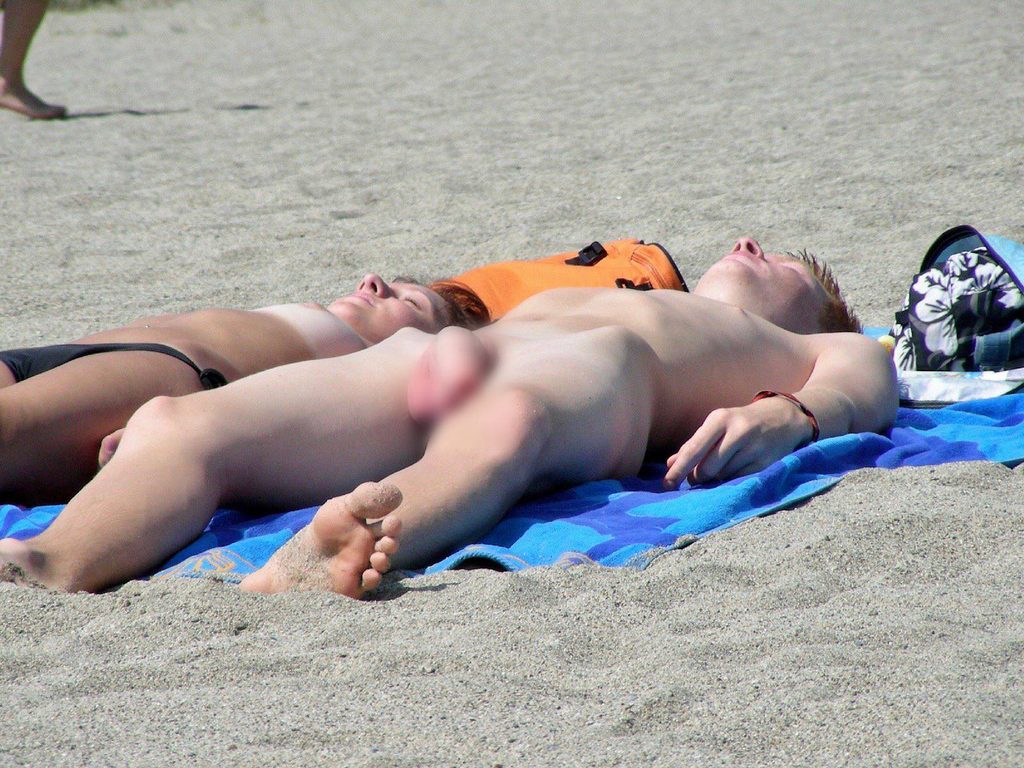
- Connection to nature and health: Feeling sun, air, and water directly on the skin is presented as psychologically and physically beneficial—stress reduction, vitamin D exposure, and a sense of freedom.

- Equality and simplicity: Clothing often signals status, fashion, or gender performance. Removing it can level some social hierarchies.

- Practicality in the right places: Remote wilderness, private land, or clearly marked clothing-optional beaches minimize conflict with those who prefer not to see it.
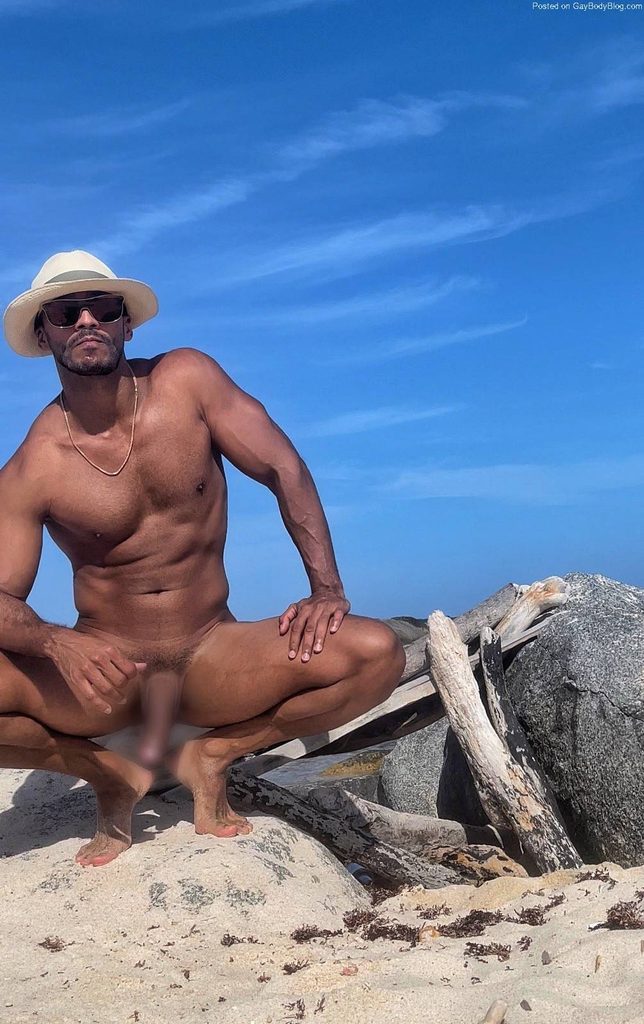
Empirical support is mixed but not absent. Studies of naturist communities frequently report higher body satisfaction and lower appearance anxiety among participants. Many people who try it once in a low-pressure environment describe it as surprisingly ordinary after the initial adjustment.
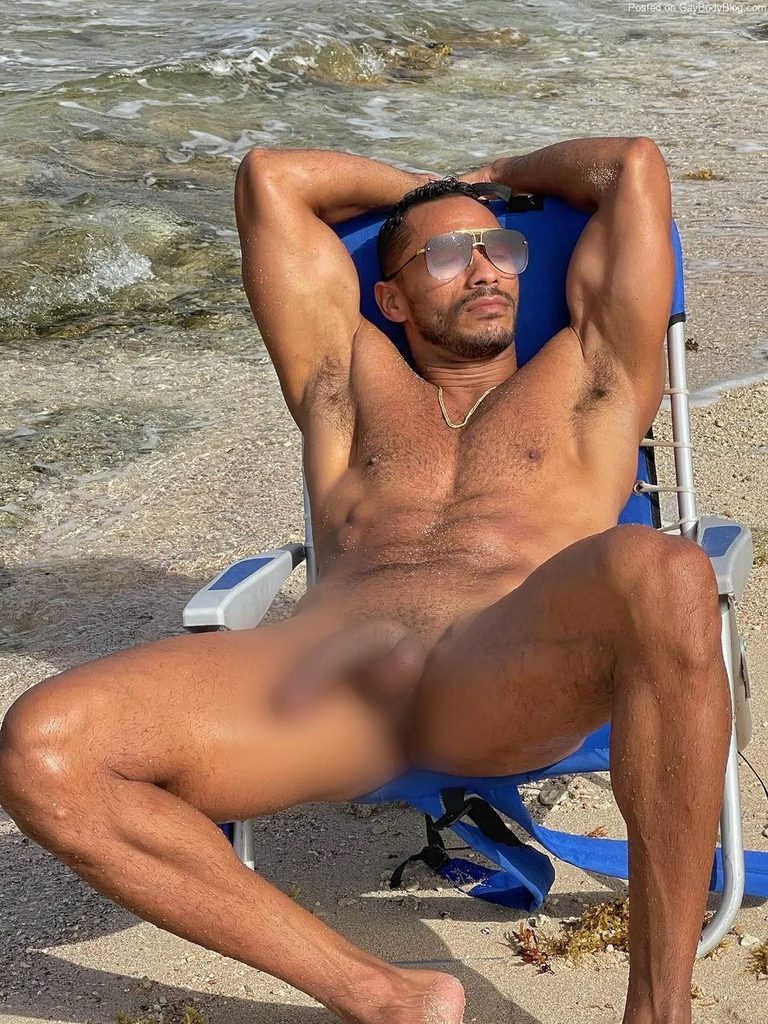
The case for “taboo”
Opposing views rest on social reality rather than pure philosophy:
- Consent and shared public space: Public spaces are used by people with diverse values, including children, religious individuals, and those who experience discomfort or arousal at unexpected nudity. Many argue that imposing one’s preference for nudity on others violates reciprocal norms of consideration.

- Sexualization is hard to erase: While naturists insist on non-sexual intent, human sexuality does not vanish by declaration. In mixed or uncontrolled settings, outdoor nudity can attract voyeurs, exhibitionists, or create awkward power dynamics. Laws against public indecency often exist precisely because intent is difficult to police and effects on others are real.

- Cultural transmission and signaling: Clothing serves practical and social functions—protection from elements, hygiene, professional signaling, and group identity. Sudden widespread outdoor nudity would clash with deeply embedded expectations. Societies that treat it as normal usually confine it to specific zones rather than treating every park or street as clothing-optional.
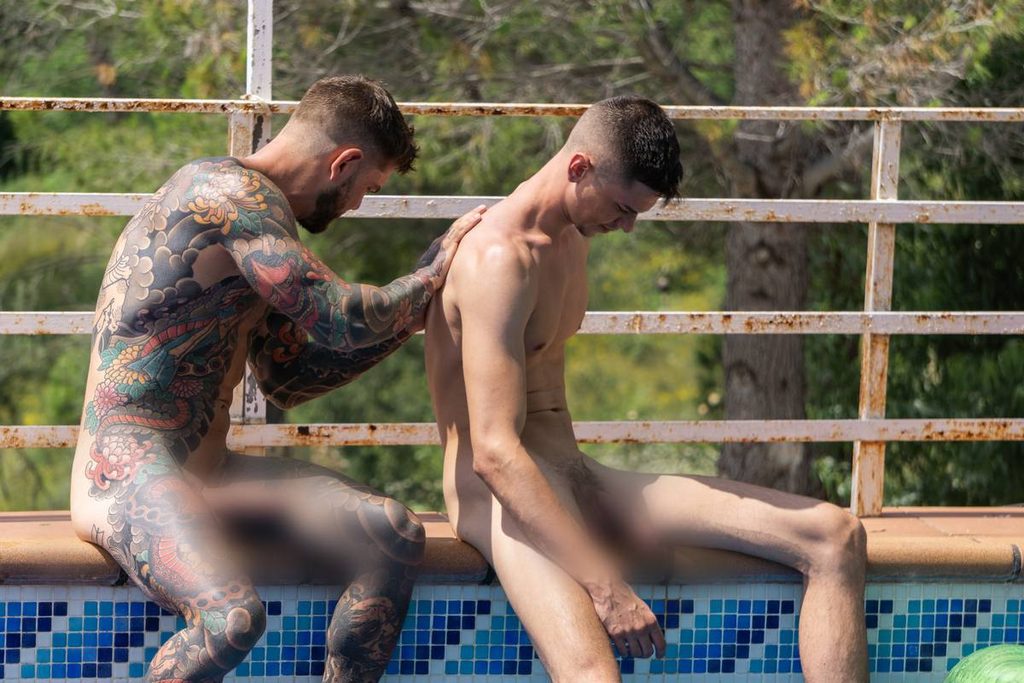
- Legal and practical consequences: In many jurisdictions, public nudity can lead to arrest for disorderly conduct or indecent exposure, even if the act is non-sexual. Enforcement is inconsistent, which itself creates uncertainty and selective prosecution concerns.
Critics of expansive nudity rights also note that “normal” in one subculture does not automatically scale to the broader public without friction.
Legal and practical landscape
Laws generally distinguish between private property (where consenting adults have wide latitude), designated clothing-optional areas, and ordinary public spaces. Nude beaches exist in dozens of countries, sometimes officially sanctioned, sometimes merely tolerated. Resorts and clubs operate under clearer private rules. Wilderness areas occupy a gray zone: remote enough that enforcement is rare, yet still technically public land in many places.
Enforcement often hinges on complaint-driven policing and local culture more than statute alone. What is ignored on a German Baltic beach may draw police on a Florida sidewalk.

A question of context, not absolutes
Outdoor nudity is normal within the communities and places that have negotiated norms around it. It remains taboo—and often illegal—outside those boundaries. The tension reflects a broader conflict between individual liberty and collective comfort, between the desire to shed artificial constraints and the reality that humans are social animals with varying thresholds for exposure.
Neither side holds a monopoly on reason. Treating the unclothed body as automatically shameful or dangerous can foster unnecessary anxiety and body hatred. Treating public space as automatically available for full nudity can disregard the preferences and boundaries of others. Most functioning societies have settled on a pragmatic compromise: private and designated spaces for those who want it, clothed norms elsewhere, and evolving tolerance as demographics and attitudes shift.

The body itself is neither inherently pure nor inherently dirty. How we display it outdoors will continue to be decided less by abstract philosophy than by negotiation, custom, and the simple question of whether the people sharing the space have consented to the arrangement.