What is Nudism?
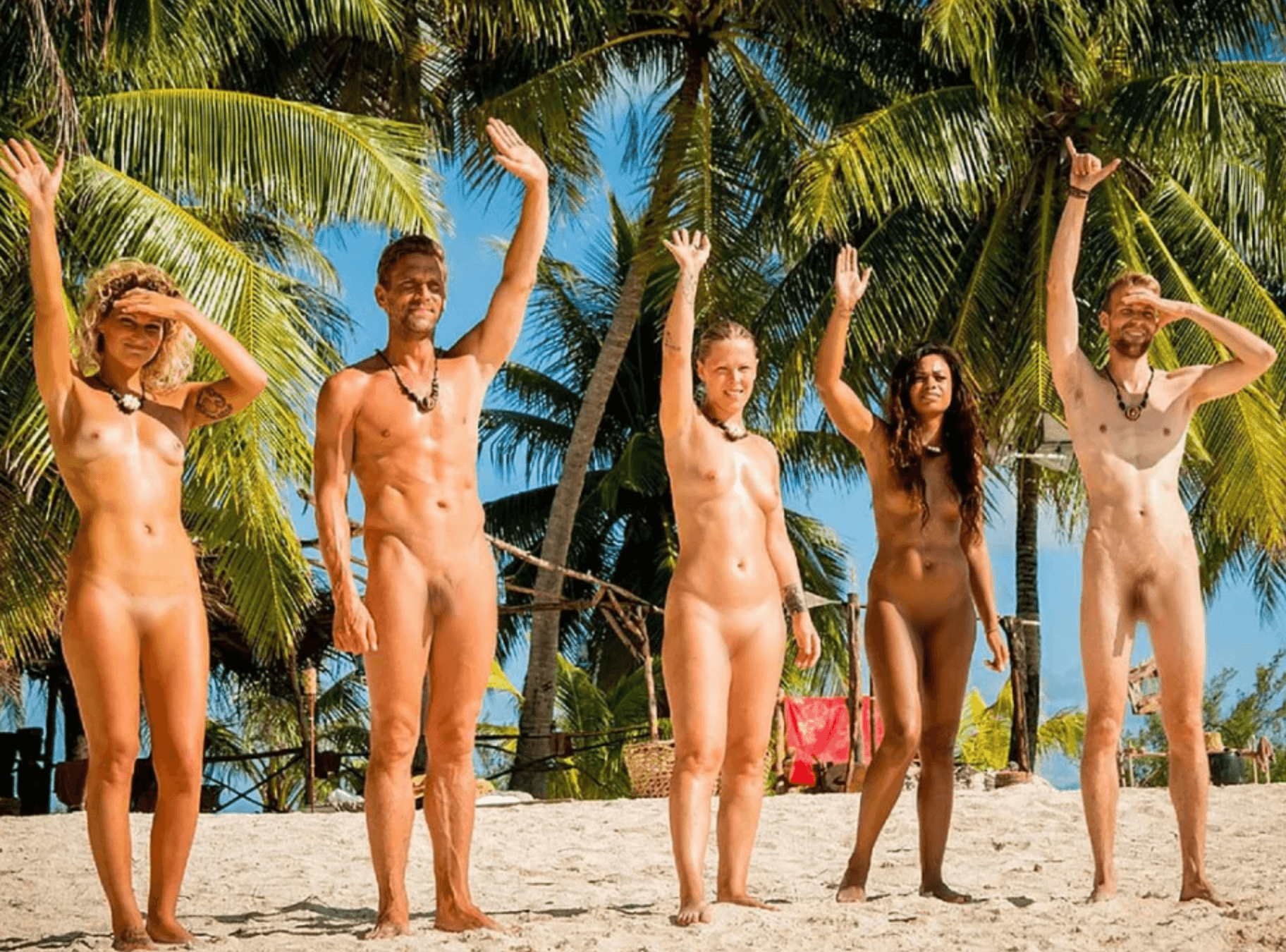
Nudism is the practice of going without clothes in social or recreational settings, typically for reasons of comfort, health, body acceptance, and a sense of freedom rather than sexual purposes. It is closely related to—and often used interchangeably with—naturism. Many organizations prefer “naturism” to emphasize a broader philosophy of living in harmony with nature, self-respect, respect for others, and environmental awareness.
The International Naturist Federation defines naturism as “a way of life in harmony with nature characterised by the practice of communal nudity with the intention of encouraging self-respect, respect for others and for the environment.” In everyday use, nudism often focuses more on the recreational act of being nude, while naturism may include additional lifestyle elements such as outdoor activity, healthy living, and equality. In practice, the terms overlap heavily, especially in North America.
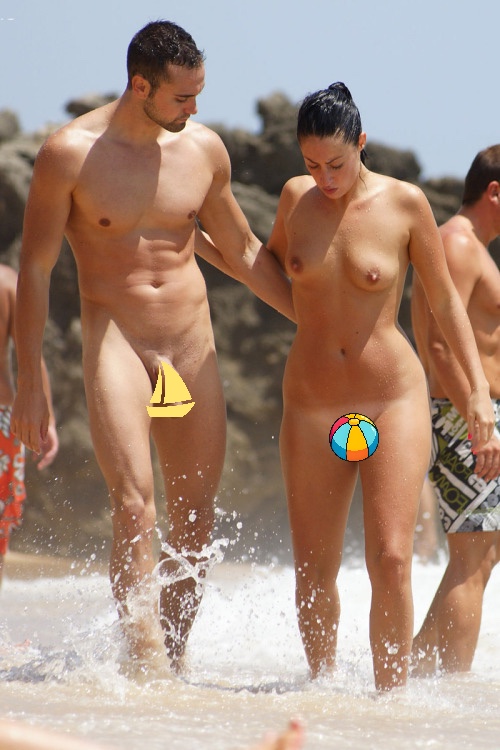
Nudism is deliberately non-sexual. Organized settings maintain a non-erotic atmosphere through clear rules of conduct. Participants of all ages, body types, and backgrounds take part; families are common at many clubs and resorts. Research and anecdotal reports frequently link social nudity with improved body image, reduced social physique anxiety, greater self-esteem, and overall life satisfaction.
A Brief History
Modern organized nudism emerged in Germany in the late 19th and early 20th centuries as Freikörperkultur (“free body culture”). It arose partly as a reaction against industrialization, restrictive Victorian morals, and urban living. Early advocates promoted exposure to sun, air, and nature for physical and mental health. Richard Ungewitter’s 1906 book Die Nacktheit helped popularize the ideas. The movement spread across Europe after World War I and reached North America in the late 1920s and 1930s, with the founding of groups such as the American League for Physical Culture.
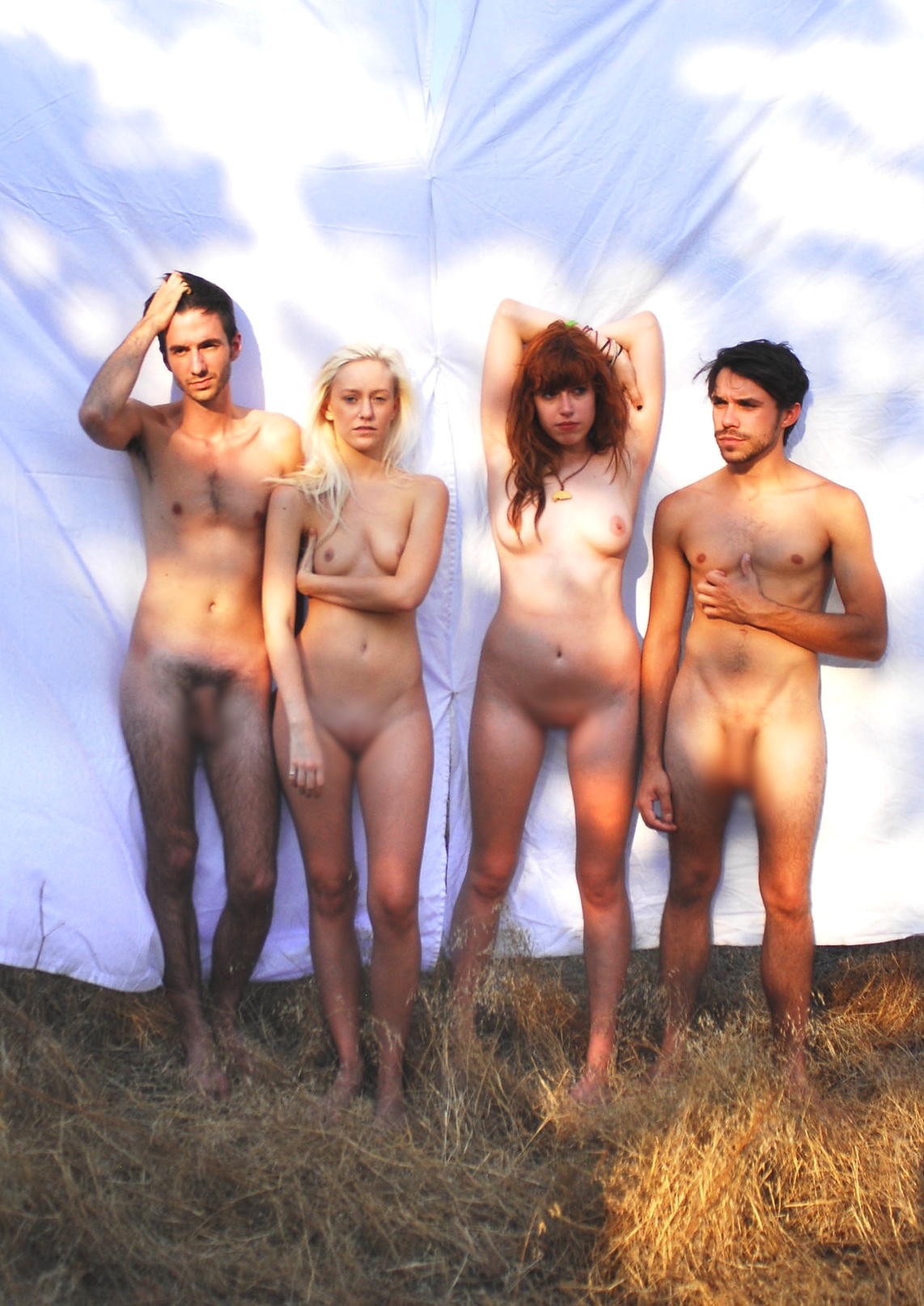
Today, millions of people worldwide participate through clubs, resorts, beaches, and private practice, supported by national and international federations.
Outdoor Nudism
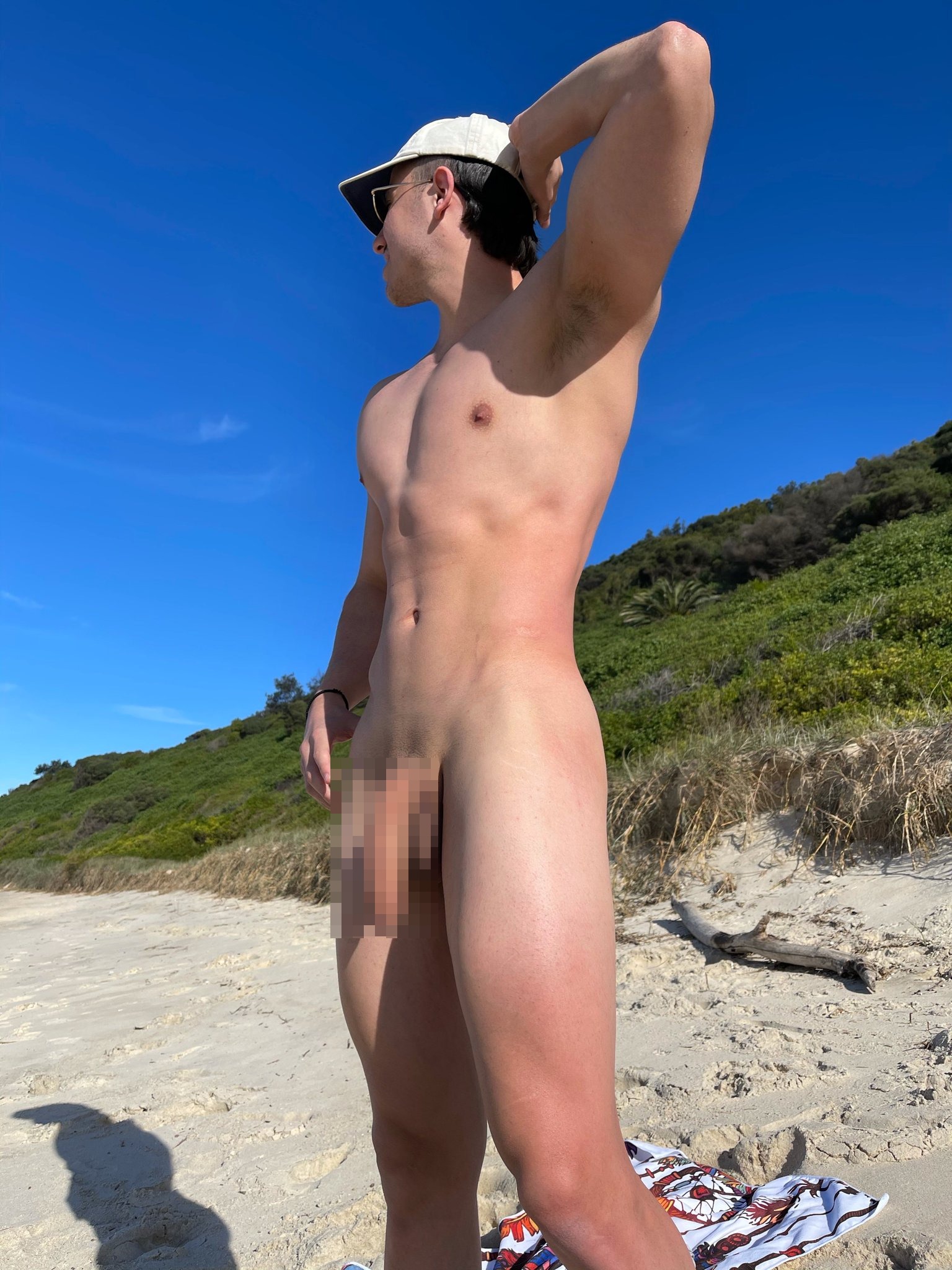
Outdoor nudism is the form most closely tied to the original philosophy of reconnecting with nature. Practitioners enjoy the feeling of sun, air, water, and open space on the entire body without the constraints of clothing.

Common settings include:
- Designated nude or clothing-optional beaches — These range from officially recognized sites (popular in parts of Europe, especially France, and some locations in the United States, Australia, and elsewhere) to longstanding informal areas. Activities center on swimming, sunbathing, walking, and socializing.

- Nudist camps, resorts, and campgrounds — Private properties offering tent or RV camping, cabins, trails, sports facilities (volleyball, hiking, swimming lakes or pools), and communal spaces. Many are family-oriented and emphasize a relaxed, natural environment.

- Other outdoor activities — Nude hiking, camping on private land where permitted, or organized events in secluded natural areas.

The appeal lies in the sensory experience—feeling a breeze or the warmth of the sun fully—and the egalitarian atmosphere in which clothing (and the social signals it carries) is absent. Practical considerations include sun protection (sunscreen is essential), weather, privacy or legal status of the location, and environmental respect (leave no trace). Outdoor venues often feel more “authentic” to those who value the nature connection central to classic naturism.

Handling Spontaneous Erections at Nude Beaches
One of the most common worries among men (and anyone with a penis) new to outdoor nudism, especially at the beach, is the possibility of getting an involuntary erection—or “boner.”

This is a normal physiological response and nothing to stress about.
Erections can occur for many non-sexual reasons: changes in temperature (sun, breeze, or cool water), physical movement or friction, nervousness or excitement about trying something new, hormonal fluctuations, or simply the body’s natural processes. Men typically experience several spontaneous erections throughout a normal day, most of which go unnoticed when clothed. In a nude setting they are more visible, which is why the concern arises.

In established nudist environments the non-sexual atmosphere actually makes prolonged or frequent erections uncommon. When one does happen, experienced naturists treat it as an ordinary body function rather than a crisis or a sexual signal. The standard, widely accepted etiquette is simple and discreet:
- Cover the area with a towel (the same one you sit on for hygiene).
- Roll over onto your stomach if lying down.
- Head into the water or ocean until it subsides.
- Change position, take a short walk, or focus on something else (reading, conversation, the view).
Most people nearby will simply ignore it if you handle it calmly and without drawing attention. Flaunting, prolonged display, masturbation, or any sexual behavior is inappropriate and can result in being asked to leave. Be especially mindful around children and families.The key takeaway is that it is normal, temporary, and manageable. Worrying about it beforehand is far more common than the event itself. Once you settle into the relaxed, body-positive environment, the anxiety usually fades quickly. Body acceptance includes accepting that bodies sometimes do unexpected things—there is no shame in it.
Indoor Nudism
Indoor nudism provides year-round opportunities, especially in cooler climates or urban areas where outdoor options are limited by weather or legality. It focuses on comfort, social interaction, and wellness rather than direct contact with the elements.
Typical indoor settings include:
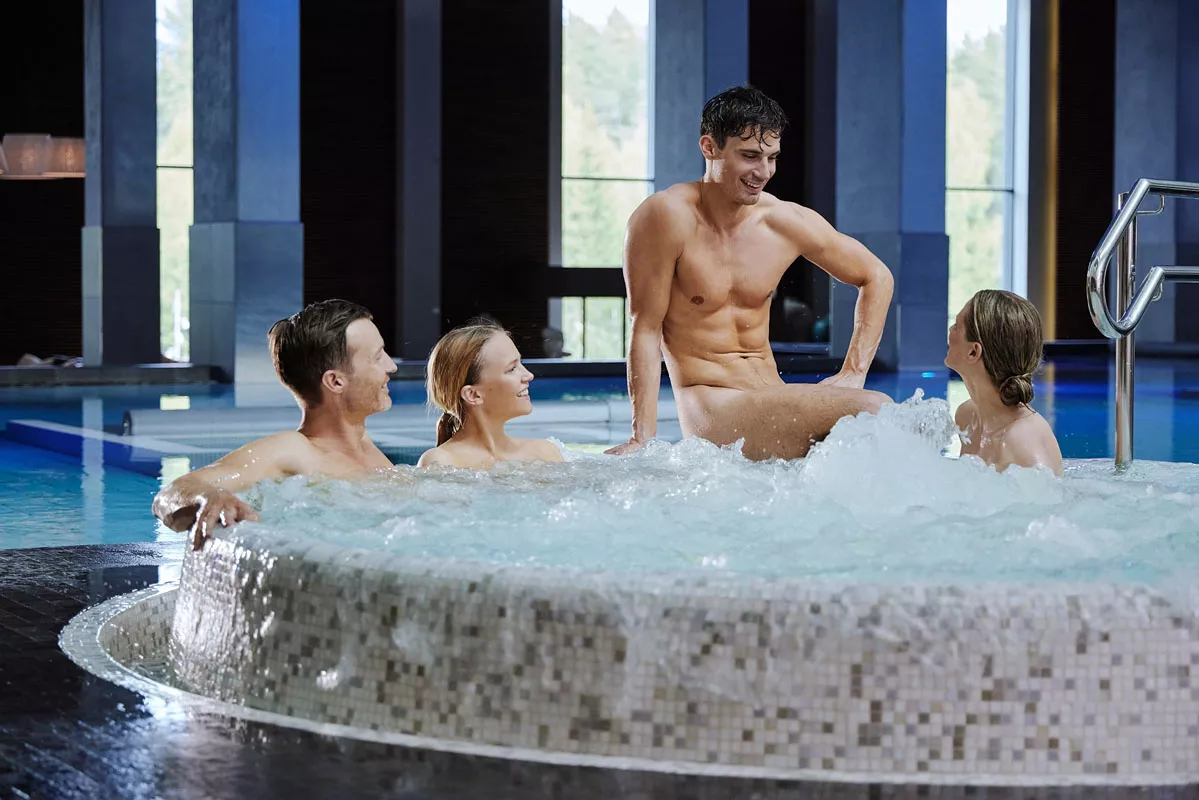
- Nudist clubs and resorts with indoor facilities — Many clubs feature heated pools, hot tubs, saunas, steam rooms, game rooms, restaurants, and event spaces where nudity is expected or strongly encouraged. Some resorts combine indoor amenities with outdoor grounds.

- Spas, saunas, and wellness centers — In parts of Europe (particularly Germany and other countries with strong FKK traditions), textile-free (nude) saunas and spa areas are common and culturally accepted. Similar dedicated naturist spas and hotels exist elsewhere.
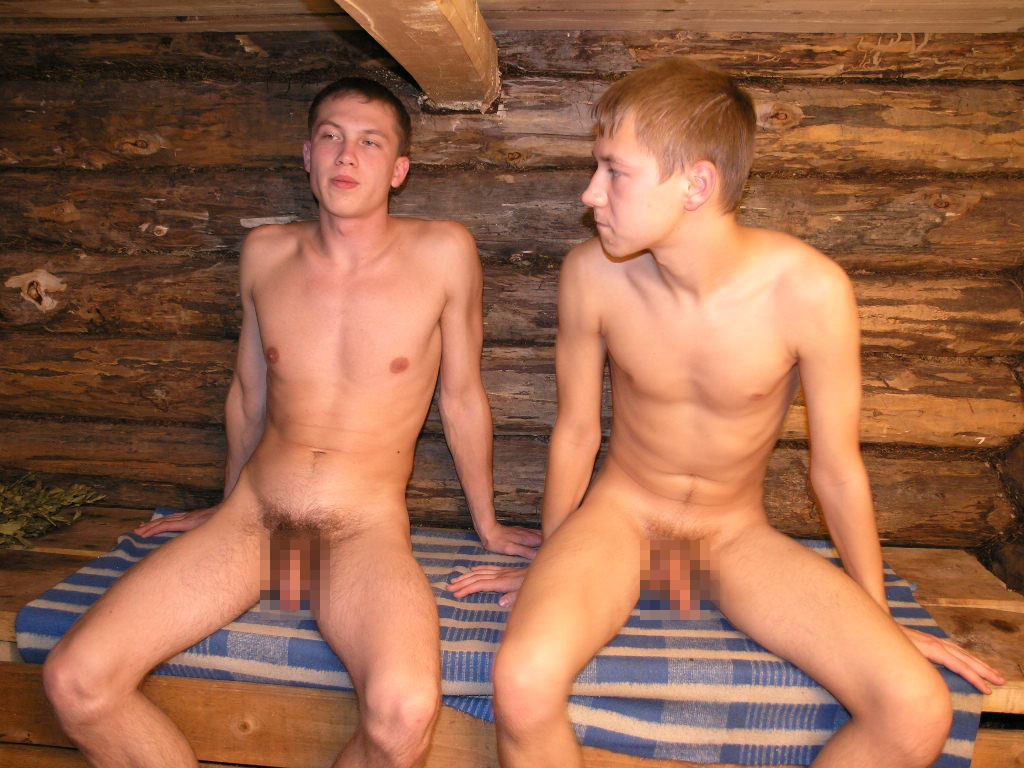
- Swim nights and indoor events — Regular clothing-optional or nude swimming sessions at rented pools, yoga classes, dances, or social gatherings organized by clubs.
- Private home practice — Many people simply enjoy being nude at home for comfort while relaxing, doing chores, or with trusted family and friends. This is the most accessible form and does not require joining any organization.
Indoor environments offer controlled temperatures, privacy, and accessibility. They can feel more social or structured than open beaches, with clearer rules and membership systems that help maintain a respectful atmosphere. For newcomers, indoor clubs sometimes serve as a lower-pressure introduction because the setting is contained and participants are already committed to the practice.


Etiquette, Benefits, and Common Misconceptions
Successful nudism relies on mutual respect. Standard etiquette includes: no staring or making comments about others’ bodies, asking before taking photos (usually prohibited), sitting on a towel for hygiene, keeping interactions non-sexual, and following venue-specific rules. Consent and personal boundaries are paramount.

Reported benefits include stress reduction, improved body acceptance through exposure to diverse real bodies, a sense of equality (clothing often signals status), better vitamin D exposure when outdoors, and simply the physical comfort of unrestricted movement.
Common myths—that nudism is inherently sexual, exhibitionist, or only for certain body types—are contradicted by the family-friendly policies and diverse participation at most legitimate venues. It is a voluntary recreational and lifestyle choice practiced by ordinary people seeking greater comfort in their own skin.
Nudism is not for everyone, and legal restrictions on public nudity vary widely by location. Those interested should research local laws, visit established clubs or resorts, and start in settings that match their comfort level. Whether practiced outdoors among trees and waves or indoors in a warm pool or living room, the core idea remains the same: the human body is natural, and there is value in experiencing life without the constant presence of clothing.