The Benefits of Non-Sexual Public Nudity (Naturism)
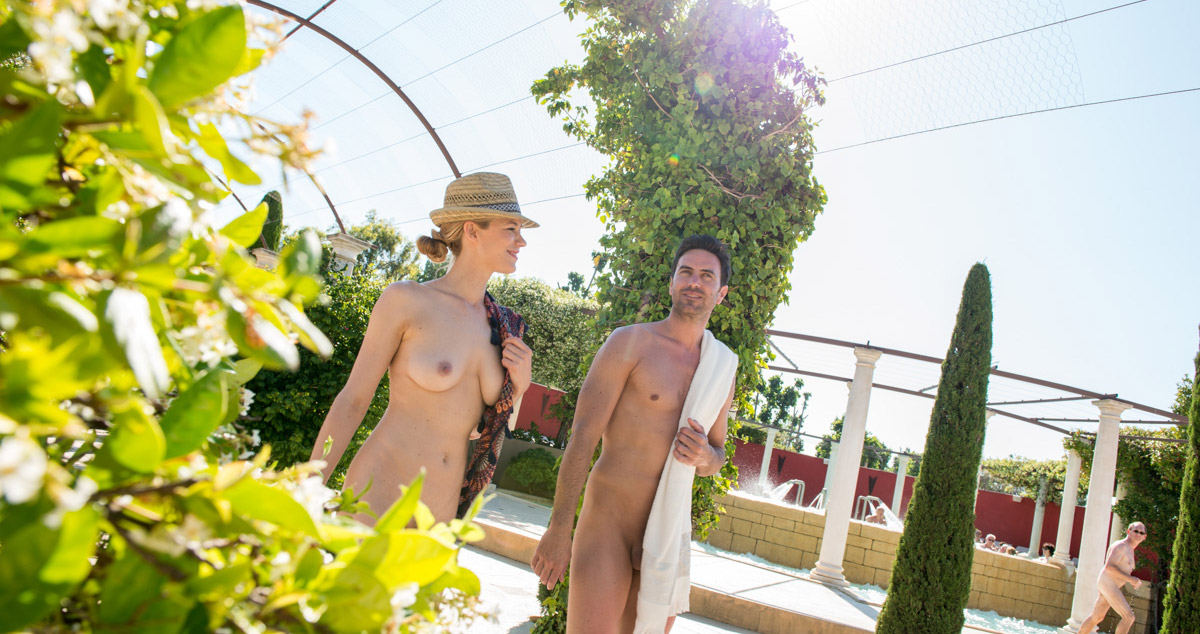
Non-sexual public nudity, commonly practiced as naturism or social nudity, involves being nude in shared settings without any sexual intent or expectation. It emphasizes respect for the body, connection with nature, and ordinary social interaction among people of diverse ages, shapes, and backgrounds. Far from the stereotypes often portrayed in media, organized naturism prioritizes comfort, equality, and acceptance in designated spaces such as beaches, resorts, clubs, or events where clothing is optional or not required.
A growing body of research and widespread personal reports point to meaningful psychological, physical, and social benefits when this practice occurs in safe, consensual, and non-sexual environments.
Improved Body Image and Reduced Anxiety
One of the most consistently documented benefits is a more positive relationship with one’s own body. Studies led by psychologist Keon West at Goldsmiths, University of London, have examined this effect across survey, before-and-after, and experimental designs.
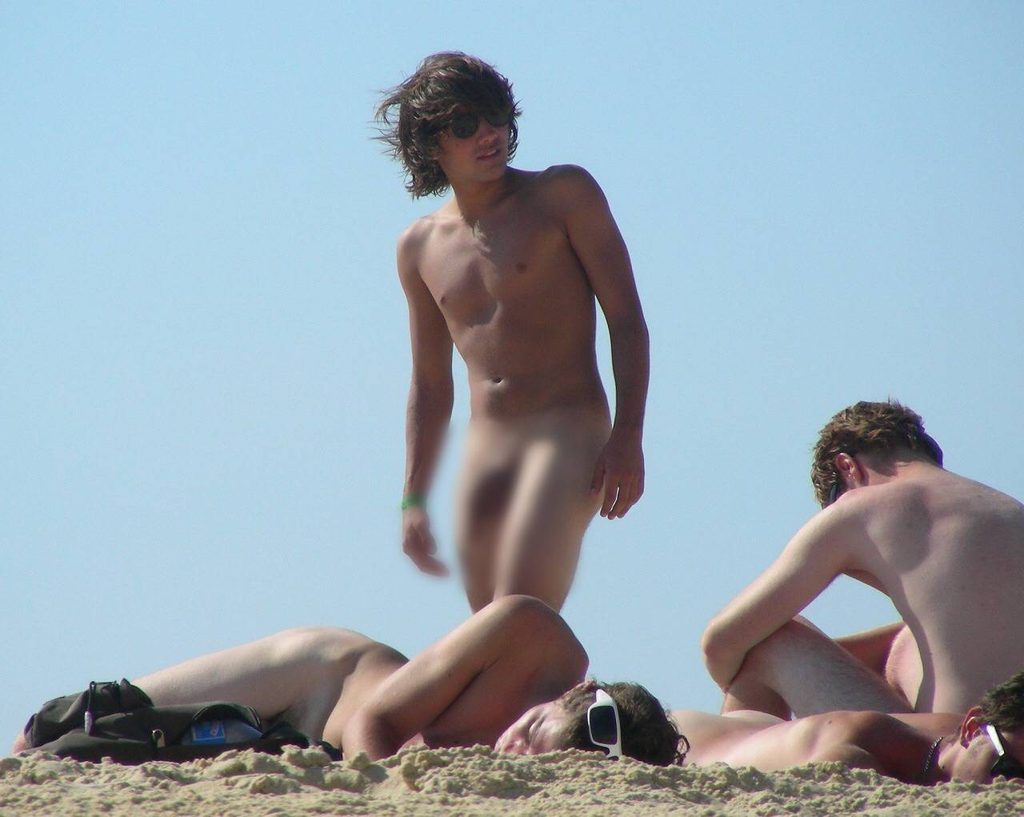
In a large survey of around 850 people, greater participation in naturist activities predicted higher life satisfaction. This link was mediated by more positive body image and higher self-esteem. Seeing ordinary, non-idealized naked bodies appeared especially important for improving how participants viewed themselves.
A randomized controlled trial assigned participants to socialize either clothed or naked. Those in the naked condition reported significantly higher body appreciation afterward, an effect explained by reduced social physique anxiety—the worry that others are judging one’s body. Simply being around everyday bodies in a non-evaluative setting lowered the pressure of comparison.

These findings align with broader observations: exposure to real bodily diversity challenges media-driven ideals and helps normalize the full range of human forms. Many participants describe a shift from self-criticism toward acceptance and functionality.
Higher Self-Esteem and Life Satisfaction
The same research stream shows that improvements in body image often cascade into higher self-esteem and overall life satisfaction. Prospective studies at actual naturist events measured participants before and after they spent time nude with others. Immediate gains appeared in body image, self-esteem, and life satisfaction. People who engaged more frequently tended to report greater general happiness, though benefits appeared to plateau after a certain level of participation.
These effects are not limited to long-term practitioners. Even brief, structured experiences of communal non-sexual nudity can produce measurable short-term improvements.
Physical Comfort and Health-Related Advantages
Naturism frequently occurs outdoors, bringing additional practical benefits. Full skin exposure to moderate sunlight supports vitamin D synthesis, which contributes to bone health, immune function, and mood regulation. (As with any sun exposure, moderation and protection of sensitive areas matter.)
Without clothing, the skin can breathe more freely, reducing issues related to trapped moisture, chafing, or irritation in some people. Many naturists also report a heightened sense of physical freedom and comfort, especially in warm weather or while swimming and hiking. Time spent outdoors and in natural settings independently supports lower stress and better mood through green-space effects.
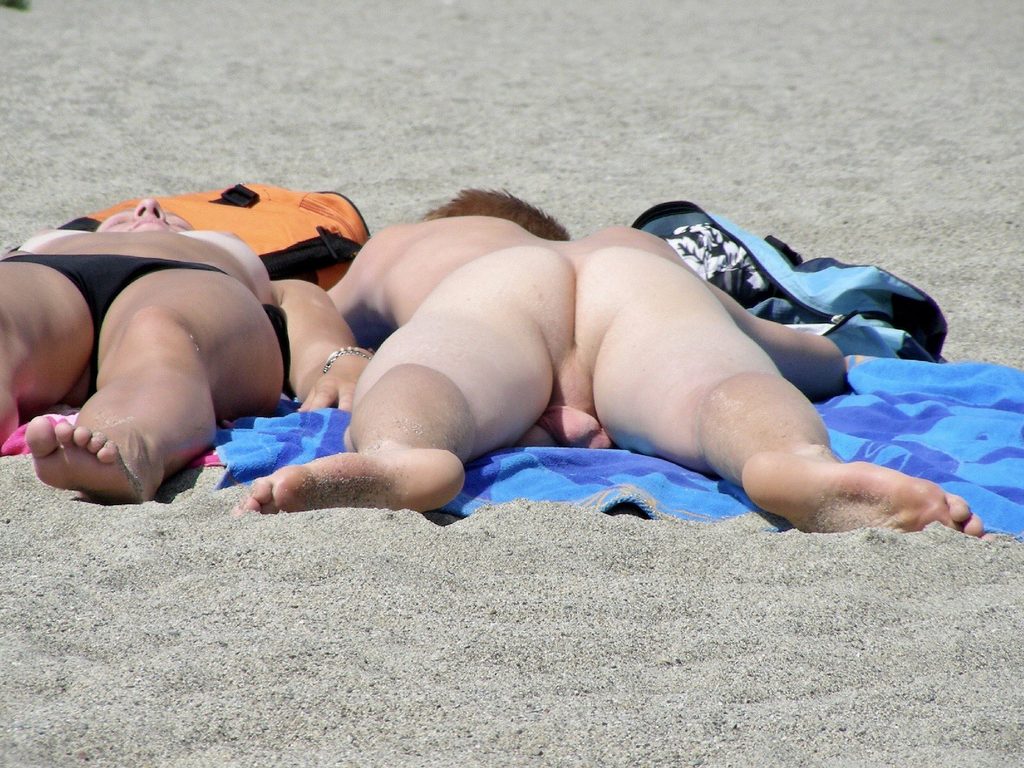
Some related practices, such as sleeping nude, are linked by practitioners and limited research to better temperature regulation and sleep quality, though this is more personal than uniquely “public.”
Social Equality and Genuine Connection
Clothing often signals status, wealth, fashion, or identity. When everyone is nude, those visual cues disappear. This leveling effect can reduce certain social anxieties and encourage more authentic interaction based on conversation, shared activity, and personality rather than appearance or attire.
Naturist communities frequently emphasize mutual respect, clear boundaries, and non-sexual conduct. Participants often describe a stronger sense of belonging and acceptance. For some couples and families, shared non-sexual nudity fosters openness and comfort with bodily diversity.
Stress Reduction and Connection to Nature
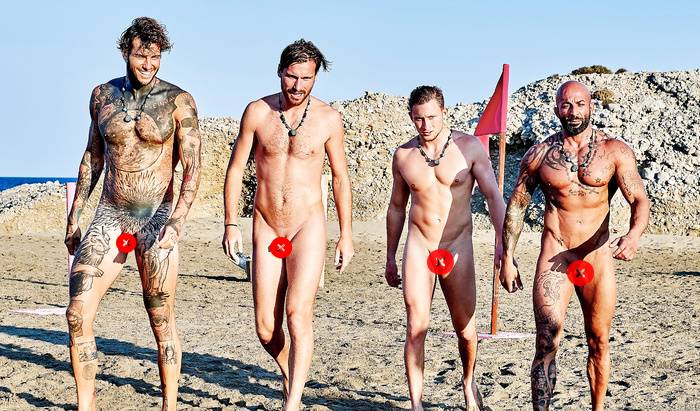
Shedding clothes in a natural setting combines physical ease with environmental immersion. Many report feeling more relaxed, present, and free. The combination of fresh air, sunlight, and reduced bodily constraint can lower perceived stress. Grounding practices (such as barefoot contact with earth) sometimes accompany outdoor naturism and are associated by some with further calming effects.

Important Context and Caveats
These benefits appear most reliably in environments where non-sexual norms are clear, participation is voluntary, and people feel safe. Legal status of public nudity varies widely by location; responsible practice stays within designated or permitted areas. Research on the topic is still developing—many studies come from specific cultural contexts (often the UK or Europe) and involve self-selected or relatively small samples—so results should be interpreted with appropriate caution. Individual experiences differ; what feels liberating for one person may not for another.
Non-sexual public nudity is not a universal solution or therapy, but emerging evidence and long-standing practitioner accounts indicate it can meaningfully support body acceptance, self-esteem, social ease, and a sense of freedom for those who choose it. In a culture that often teaches people to hide or critique their bodies, the simple act of being nude among others—without performance or judgment—offers a quiet counterpoint: ordinary human bodies, accepted as they are.